Introduction
Plastic is everywhere in modern life. It protects food, keeps products fresh, and makes shipping easier. Yet many people still ask, is plastic packaging recyclable? The answer is yes, but it depends on the type of plastic, local recycling rules, and how clean the material is before disposal.
Understanding is plastic packaging recyclable is important for homes and businesses that want to reduce waste. Some plastic packaging is widely accepted in recycling systems, while other forms are harder to process. Knowing the difference helps prevent contamination and improves recycling success.
Most households use plastic bottles, containers, wraps, and mailers every day. However, not all of them belong in the same recycling bin. The recycling symbol, resin code, and packaging design all affect whether an item can be reused. This is why learning is plastic packaging recyclable can help consumers make smarter choices.
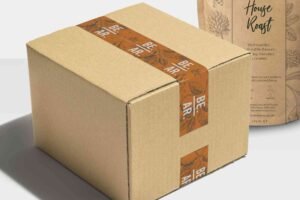
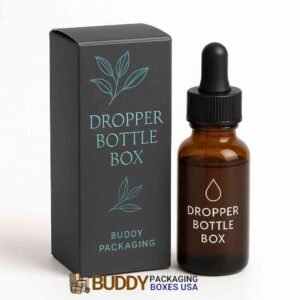
For brands that want sustainable presentation, options like custom stickers can support eco-friendly branding when paired with recyclable packaging materials. Likewise, product packaging such as 10ml bottle boxes can be designed with recyclable outer layers to reduce environmental impact.
Understanding If Plastic Packaging Is Recyclable
When asking is plastic packaging recyclable, the first thing to check is the resin identification code. These are the numbers from 1 to 7 found inside the recycling triangle.
PET (1) and HDPE (2) are the most commonly recycled plastics. These are used in water bottles, shampoo containers, and detergent bottles. Many local recycling programmes accept them.
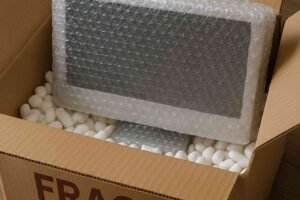
On the other hand, soft plastics such as cling film, snack wrappers, and bubble wrap are often harder to recycle. These items require specialist collection points.
So, is plastic packaging recyclable? In many cases, yes. Still, the design and material combination matter a lot.
Which Types of Plastic Packaging Are Commonly Recycled?
Several forms of plastic packaging are widely recyclable. Bottles, rigid tubs, trays, and some food containers are the easiest to process.
Plastic Bottles and Containers
Most drink bottles and cleaning product bottles are recyclable. Their plastic is valuable because it can be turned into new containers, fibres, and packaging products.
Food Tubs and Trays
Yoghurt pots, takeaway trays, and margarine tubs are often recyclable if they are rinsed first. Food residue can ruin a batch of recycling.
Shipping and Retail Packaging
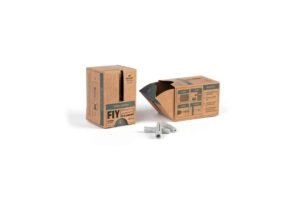
Many ecommerce brands now combine cardboard with plastic inserts. If the plastic insert is made from PET or HDPE, it may be recyclable. This is why packaging suppliers increasingly focus on simpler material choices.
Why Some Plastic Packaging Is Not Recyclable
A common reason people stay confused about is plastic packaging recyclable is mixed materials. When paper, foil, and plastic are fused together, recycling becomes difficult.
For example, crisp packets, sauce pouches, and coffee bags often contain multiple layers. These layers preserve freshness, but they cannot be separated easily by standard facilities.
Dark-coloured plastics are another problem. Optical sorting machines often fail to detect black plastic trays. As a result, these items may end up in landfill.
Small items also create issues. Bottle caps, sachets, and labels may be too tiny for sorting systems.
How to Recycle Plastic Packaging Properly
- If you want the answer to is plastic packaging recyclable to be “yes” more often, correct preparation matters.
- First, empty the packaging completely. Leftover food, oil, or liquids reduce recycling quality.
- Second, rinse containers quickly. They do not need to be spotless, but visible residue should be removed.
- Third, keep soft plastics separate if your local council requires store drop-off recycling.
- Finally, avoid placing non-recyclable films in kerbside bins unless your area accepts them.
- These small habits improve recovery rates and reduce contamination.
The Role of Sustainable Packaging Design
Businesses play a huge role in answering is plastic packaging recyclable. Packaging design can either help or harm recyclability.
Mono-material packaging is becoming more popular. This means using only one plastic type instead of combining several layers.
Clear labelling also helps customers recycle correctly. Brands should explain whether the film, bottle, or lid belongs in household recycling.
Even decorative elements matter. Eco-conscious companies now choose lighter labels, removable adhesives, and sustainable custom stickers to keep the main package recyclable.
For cosmetic, pharmaceutical, and essential oil brands, 10ml bottle boxes can also support sustainability goals by reducing reliance on excess plastic outer wrapping.
Is Plastic Packaging Recyclable in the Future?
The future looks more promising than ever. Governments and brands are investing in advanced recycling technologies.
Chemical recycling can break difficult plastics into raw materials. This may allow more films and flexible packaging to be reused.
At the same time, consumer awareness is growing. More people now check symbols before disposal. As a result, demand for recyclable packaging continues to rise.
So when people ask, is plastic packaging recyclable, the answer is improving year by year thanks to innovation and smarter design.
Benefits of Recycling Plastic Packaging
Recycling plastic packaging reduces landfill waste and lowers demand for virgin plastic production.
It also saves energy. Manufacturing products from recycled plastic often uses less energy than producing new resin.
Another major benefit is pollution reduction. Proper recycling keeps plastic out of rivers and oceans.
For businesses, recyclable packaging strengthens brand reputation. Customers increasingly prefer brands that show environmental responsibility.
FAQs
Is all plastic packaging recyclable?
No, not all plastic packaging is recyclable. Bottles and rigid containers are easier to recycle than films and multi-layer pouches.
Can plastic wrappers go in recycling bins?
Usually not in standard kerbside bins. Many wrappers need special soft-plastic collection points.
What plastic numbers are recyclable?
Numbers 1 and 2 are most widely recycled. Some areas also accept 4 and 5.
Should I wash plastic before recycling?
Yes, rinse off food and liquid residue to avoid contamination.
Can labels and stickers stay on packaging?
In many cases yes, but removable labels make recycling easier.
So, is plastic packaging recyclable? Yes, much of it is, but success depends on material type, local recycling systems, and proper disposal habits. Bottles, tubs, and rigid containers are usually recyclable, while mixed films and wrappers remain more difficult.
Many leading global brands are now adopting eco-friendly solutions to reduce environmental impact. Companies such as Unilever, Nestlé, and IKEA are increasingly using sustainable materials and biodegradable packaging to minimise plastic waste. This shift helps protect the environment and supports a circular economy. Learn more about sustainable brands in this guide: Which Companies Use Biodegradable Packaging.