Introduction
If you have recently purchased a new set of Pittsburgh sockets, you may notice that the packaging is designed to keep every piece secure during shipping and storage. While this protects the tools, many users struggle with removing them without damaging the sockets or the plastic holder. Understanding how to remove Pittsburgh sockets from packaging can save time and prevent frustration.
Many Pittsburgh socket sets come in tight plastic trays, molded cases, or sealed retail packaging that firmly grips each socket. Although the design improves product safety, it often makes removal difficult, especially for first-time buyers. This guide explains the easiest methods to remove sockets safely while keeping both the tools and storage case in excellent condition.
Why Pittsburgh Socket Packaging Is So Tight
Pittsburgh socket sets are packaged to prevent movement during transportation. Every socket is placed into a molded slot that holds it firmly in position. This design reduces scratches, prevents lost pieces, and ensures customers receive a complete set. The packaging also minimizes damage caused by vibration during shipping. Because of this secure fit, many users think the sockets are stuck permanently when they first try removing them.
Understanding this design helps you apply the right amount of pressure instead of forcing the sockets out and risking injury or product damage.
How to Remove Pittsburgh Sockets from Packaging Safely
The best approach is to place the package on a stable surface with good lighting. Hold the plastic tray with one hand while gripping the socket with the other. Instead of pulling straight upward, gently twist the socket while lifting it. The twisting motion reduces friction between the plastic holder and the metal socket. As a result, the socket slides out much more easily.
If the socket remains difficult to remove, apply steady pressure rather than sudden force. Patience is the safest way to avoid dropping the tool or breaking the plastic tray. Knowing how to remove Pittsburgh sockets from packaging properly ensures the sockets remain scratch-free and ready for immediate use.
Using Simple Household Tools for Easier Removal
Sometimes the sockets fit extremely tightly inside their molded holders. In these situations, a soft cloth can improve your grip and prevent slipping. A rubber glove also increases friction, allowing you to twist and lift the socket without excessive effort.
Avoid using sharp metal objects such as screwdrivers or knives to pry the socket loose. These tools can damage the finish, scratch the chrome surface, or even cause personal injury. Using safe techniques protects both the socket set and your hands.
Protecting Your Socket Set During Removal
Many people rush through opening new tools because they are excited to use them. However, careless removal can cause sockets to hit the floor or become mixed up. Work with one socket at a time and return it to its correct position if you are not using it immediately. This simple habit keeps the set organized and makes future projects much easier.
Professional mechanics often preserve the original storage tray because it provides an efficient way to identify missing pieces after a job is complete.
Common Mistakes People Make
One common mistake is pulling the socket straight upward with excessive force. This often results in the socket suddenly releasing and flying across the workspace. Another mistake is bending the plastic tray too aggressively. Excessive bending may permanently damage the holder, making future storage difficult.
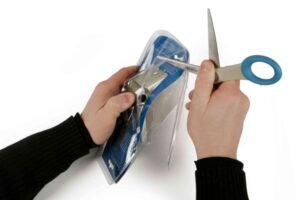
Some users even cut the packaging with utility knives. Although this may seem faster, it increases the risk of injury and can scratch the socket finish. Learning how to remove Pittsburgh sockets from packaging correctly eliminates these unnecessary problems.
How Proper Packaging Improves Tool Protection
Manufacturers invest considerable effort into designing packaging that balances protection and convenience. Secure packaging prevents movement, reduces wear, and keeps products looking new until they reach the customer.
Many businesses apply similar principles when creating specialized packaging for retail products. For example, custom blister cards provide excellent visibility while securely holding products in place, making them ideal for tools, hardware, and consumer goods. This style of packaging demonstrates how strong retention can protect products without sacrificing presentation.
Keeping Your Socket Set Organized After Opening
After removing the sockets, organize them by size before starting any project. Many users place labels inside the storage case or use foam organizers for quicker identification.
Keeping sockets arranged correctly reduces time spent searching for the right size and minimizes the chance of losing individual pieces. Regular cleaning after use also prevents corrosion and maintains a professional appearance.
Why Storage Matters for Long-Term Performance
Quality tools last much longer when stored properly. Moisture, dust, and improper handling can reduce the lifespan of chrome-plated sockets.
Store your Pittsburgh socket set in a dry environment and wipe each socket with a clean cloth after heavy use. Applying a light protective oil coating can further reduce the risk of rust. Good organization also makes maintenance easier because missing sockets become immediately noticeable.
Packaging Lessons from Other Industries
Secure packaging is not limited to hardware products. Many industries rely on specialized boxes and inserts to protect items during shipping. For example, premium dog food boxes are designed to preserve freshness while preventing damage during transportation and storage. Just as strong packaging protects food products, molded plastic holders protect socket sets from scratches and movement.
Understanding the purpose behind packaging design helps users appreciate why removing products sometimes requires extra care.
Tips for First-Time Pittsburgh Socket Owners
Take a few minutes to inspect the package before opening it. Look for flexible areas designed to release the sockets more easily.
Use both hands whenever possible and remove one socket at a time. If multiple sockets seem stuck, avoid twisting the entire tray because this may crack the plastic. Keeping the original case is highly recommended because it simplifies transportation and long-term organization.
Conclusion
Learning how to remove Pittsburgh sockets from packaging is simple once you understand how the molded holders are designed. Gentle twisting, steady pressure, and patience make the process quick and safe while protecting both the sockets and their storage tray.
Efficient packaging helps businesses reduce waste, save time, and improve customer satisfaction. From selecting the right materials to automating repetitive tasks, every step matters. If you’re looking for practical strategies to streamline operations and boost productivity, explore how to improve packaging process and discover simple ways to achieve better results.
Frequently Asked Questions
Why are Pittsburgh sockets so hard to remove from packaging?
They are secured inside molded plastic holders that prevent movement during shipping and reduce the risk of damage before purchase.
Can I use a screwdriver to remove Pittsburgh sockets?
It is better to avoid screwdrivers or sharp tools because they may scratch the sockets or crack the plastic holder.
What is the easiest way to remove Pittsburgh sockets from packaging?
A gentle twisting motion combined with steady upward pressure is usually the safest and most effective method.
Should I keep the original socket tray?
Yes. The original tray helps organize the sockets, prevents loss, and makes it easier to identify missing pieces.
Can tight packaging damage the sockets?
No. The packaging is designed to protect the sockets. Damage usually occurs only when excessive force or improper tools are used during removal.