How to Make a Cardboard Packaging Box: A Step‑by‑Step Guide
Creating your own cardboard packaging box may seem simple, but doing it well takes skill, precision, and a bit of insider know‑how. Whether you’re crafting boxes for shipping, storing products, or building prototypes, learning how to make a cardboard packaging box can save money and deliver customized results — especially for small businesses, DIY crafters, and entrepreneurs.
In this guide, we’ll break down the entire process from choosing the right materials to finishing touches. You’ll also discover practical tips from packaging experts that ensure your boxes are strong, cleanly assembled, and ready for use.
Cardboard boxes are everywhere — from the small cigarette boxes you find at stores to large containers used in shipping. But many people don’t realize how much goes into designing and building one that’s functional, durable, and visually appealing.
If you want to learn how to make a cardboard packaging box, this article will walk you through everything step by step. By the end, you’ll know how to select materials, measure accurately, score and fold with precision, and assemble a professional‑quality box you can be proud of.
What You’ll Need Before You Begin
Before diving into the building steps, it’s important to gather the right tools and materials. Choosing quality supplies makes the entire process smoother and the end result stronger.
Tools and Materials
Cardboard Sheets
Use high‑quality corrugated cardboard for strength. Single‑wall cardboard is perfect for light packaging, while double‑wall is better for heavier contents.
Cutting Tools
A sharp utility knife or box cutter ensures clean, straight cuts. Always use a metal ruler as a guide to prevent wavy or uneven edges.
Measuring Tools
A steel ruler and a measuring tape allow for precise measurements. Accuracy at this stage prevents misaligned folds later on.
Scoring Tools
A bone folder, scoring tool, or even the back of a butter knife helps create neat creases without tearing the cardboard.
Adhesives
Choose industrial‑strength glue or double‑sided packaging tape. Hot glue works well for rapid assembly but may not be as secure for long‑term storage.
Step‑by‑Step: How to Make a Cardboard Packaging Box
Now that you have your tools, let’s get into the real work — building your cardboard packaging box from scratch.
Planning and Design
Good packaging starts with planning. Think about the product you’ll place inside the box.
Measure Your Item
- Length (L) – The longest side of your product
- Width (W) – The shorter side
- Height (H) – How tall or thick the product is
Tip: Add at least 0.5–1 inch (1–2 cm) to all dimensions for clearance and padding.
Create a Template
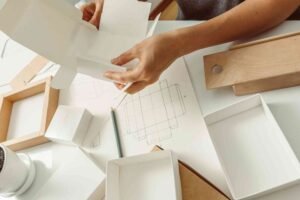
On paper, draw a box diagram indicating where you’ll cut and where you’ll fold. Visualizing the box helps prevent mistakes.
Marking the Cardboard
Lay your cardboard flat and use the measurements from your template.
Trace the Layout
With a pencil, mark all edges and lines on the cardboard. Include flaps for closing the box.
Double‑Check Measurements
Before cutting, always re‑measure. A small error at this stage can affect the final assembly.
Cutting Out the Box Shape
Using your utility knife and metal ruler, carefully cut along the lines you’ve drawn.
Safety First
Keep fingers away from the blade and work on a cutting mat to protect your workspace.
Smooth, Controlled Cuts
Make several light passes with the knife instead of one deep cut. This yields cleaner edges and helps prevent splintering.
Scoring the Fold Lines
Scoring helps the cardboard fold smoothly.
How to Score Cardboard
- Use a bone folder or blunt edge
- Run along the fold lines with moderate pressure
- Don’t cut through the cardboard — just weaken the surface fibers
Proper scoring ensures crisp edges and a professional appearance.
Folding the Cardboard
After scoring, you can begin folding.
Fold Slowly
Start with the main body of the box. Gently bend along each scored line until the shape begins to take form.
Align Edges Perfectly
Make sure all edges meet cleanly before applying tape or glue.
Securing the Box
Now it’s time to lock the structure in place.
Glue vs. Tape
- Glue: Best for a smooth finish and long‑term durability
- Double‑sided tape: Clean look and easy to use
- Packaging tape: Extra reinforcement for heavy loads
Apply adhesive carefully to avoid bumps and wrinkles.
Custom Finishing Options
Once your box is assembled, you can personalize it or strengthen it further:
Printing and Labeling
You can print directly on the cardboard or use stickers and stamps. For businesses, adding your logo elevates your brand presentation.
Reinforcement
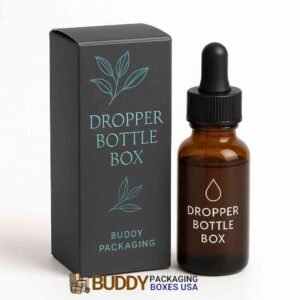
Lining the inside with extra cardboard or foam increases durability, especially if you’re shipping fragile items like custom 00ml bottle boxes or electronics.
Common Mistakes to Avoid
Even seasoned DIYers make mistakes. Here’s how to avoid the most common ones:
Cutting Too Deep
Deep cuts can weaken the cardboard. Always score deeply but cut lightly.
Ignoring Grain Direction
Cardboard has a grain — similar to wood. Folding against the grain can cause cracks.
Rushing Assembly
Take your time. Sloppy folds and rushed gluing are noticeable and can weaken the box.
Use Cases: Why You Should Know How to Make a Cardboard Packaging Box
Learning this skill has real‑world benefits.
For Small Business Owners
Custom packaging adds value and professionalism to your brand. Whether you’re selling handmade items, retail products, or prototypes, a well‑made box improves customer perception.
For DIY Enthusiasts
From organizing storage to crafting creative projects, cardboard packaging boxes are versatile and eco‑friendly.
For Cost Savings
Instead of ordering pre‑made boxes, creating your own allows you to customize sizes and save on inventory.
Sustainable Practices in Cardboard Packaging
Eco‑friendly practices not only help the environment but also appeal to conscious consumers.
Use Recycled Cardboard
Recycled materials reduce waste and are often just as durable as new cardboard.
Reuse and Repurpose
Old boxes can be taken apart and re‑cut into new ones. This approach saves materials and trims expenses.
Choose Recyclable Adhesives
Select tapes and glues that don’t hinder recycling.
FAQs
Here are common questions people search about when learning how to make a cardboard packaging box:
How do you measure cardboard for a box?
Measure the length, width, and height of the item first. Then add extra clearance for padding or product variations. Use these measurements to draw your template accurately.
What is the best material for a sturdy cardboard box?
Corrugated cardboard is ideal because it’s made with fluted inner layers that absorb pressure and protect contents.
Can I make a box without a template?
Templates make the process significantly easier and reduce errors. While it’s possible to improvise, beginners should always start with one.
How do you reinforce a cardboard box for shipping?
Use extra layers of cardboard or add foam inserts. Reinforce edges and corners with strong tape.
Knowing how to make a cardboard packaging box opens up a world of opportunities — from improving your business packaging to crafting custom storage solutions. With the right tools, accurate measurements, and careful assembly, you can make boxes that are both functional and visually appealing.
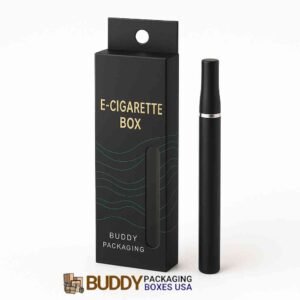
Whether you’re producing boxes for products ranging from cigarette boxes to protective cases for fragile goods, this step‑by‑step guide gives you the foundation to craft packaging you can trust.
If you’re interested in high‑quality, custom packaging solutions, explore professional options like cigarette boxes and custom 00ml bottle boxes to make your brand stand out. Let’s build better packaging together!
Looking for high-quality, sustainable packaging solutions? Buddy Packaging Co. offers custom boxes, eco-friendly materials, and reliable service to meet all your packaging needs. Discover how we can elevate your brand with creative, durable, and affordable packaging options. Explore more at Buddy Packaging Co..