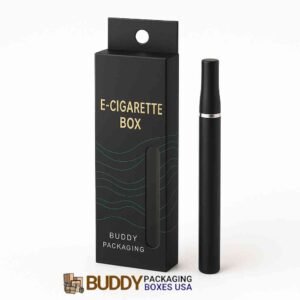
Packaging is more than a protective layer around a product. It is often the first interaction a customer has with a brand. When done correctly, packaging communicates value, builds trust, and encourages purchasing decisions. Understanding how to design packaging is therefore essential for businesses that want to stand out in competitive markets.
Today’s consumers expect packaging that looks appealing, tells a brand story, and offers convenience. In addition, modern packaging must balance aesthetics, sustainability, and practicality. When these elements align, packaging becomes a powerful marketing tool rather than just a container.
In this guide, you will learn how to design packaging from a strategic perspective. We will explore the design process, branding considerations, materials, sustainability, and real-world examples that help businesses create packaging customers remember.
Understanding the Importance of Packaging Design
Before learning how to design packaging, it is important to understand why packaging matters. Packaging serves multiple roles in marketing, logistics, and customer experience. A thoughtfully designed package protects the product, delivers brand messaging, and influences buying decisions.
Consumers often make judgments within seconds of seeing a product on a shelf or online. Attractive packaging instantly communicates professionalism and quality. On the other hand, poorly designed packaging can make even a great product appear cheap or unreliable.
Packaging also affects brand perception over time. Consistent design elements such as colors, typography, and structure help customers recognize products quickly. According to insights from the Packaging World, packaging design strongly impacts consumer trust and repeat purchases.
Research Before You Design Packaging
Understanding Your Target Audience
The first step in learning how to design packaging is researching the audience. Every packaging design decision should align with customer expectations. Different audiences respond to different design styles, colors, and materials.
For example, luxury buyers often expect minimalistic packaging with premium textures. Meanwhile, eco-conscious customers prefer recyclable or biodegradable packaging. Understanding these preferences helps designers create packaging that resonates emotionally with customers.
When businesses analyze demographics, shopping behavior, and lifestyle preferences, they can design packaging that feels relevant. This connection between product and customer improves conversion rates and strengthens brand loyalty.
Analyzing Competitors
Competitive analysis plays a crucial role in understanding how to design packaging effectively. Examining competing brands reveals industry standards and opportunities for differentiation. By studying competitor packaging, businesses can identify visual trends and gaps in the market.
However, the goal is not to imitate competitors. Instead, designers should focus on creating something distinctive. Unique packaging elements such as unusual shapes, innovative materials, or creative typography can make a product stand out on crowded shelves.
Building a Strong Brand Identity Through Packaging
Brand identity and packaging design should always work together. Packaging visually represents the brand’s personality and values. When customers see the product, they should immediately understand what the brand stands for.
Colors, fonts, and imagery must remain consistent across all packaging variations. This consistency strengthens recognition and reinforces trust. Brands such as Apple demonstrate how minimal and clean packaging can become a powerful brand signature.
Understanding how to design packaging also means communicating brand messaging clearly. Taglines, product benefits, and instructions should be easy to read and strategically placed. Clear communication ensures customers quickly understand the value of the product.
Choosing the Right Packaging Materials
Material selection plays a critical role when learning how to design packaging. The chosen material affects product protection, environmental impact, and overall customer experience.
Cardboard and corrugated materials remain among the most widely used options because they are durable and cost-effective. Meanwhile, rigid boxes are often used for luxury items due to their premium feel.
Businesses must also consider practical factors such as shipping conditions, shelf life, and storage requirements. A well-designed package balances protection, presentation, and efficiency.
Companies specializing in customized packaging solutions often help brands select the best structure and material. For example, businesses selling delicate optical products frequently use specialized packaging like contact lens boxes designed to maintain safety and brand presentation.
The Role of Visual Design in Packaging
Visual design is the most recognizable part of packaging. When people discuss how to design packaging, they often focus on colors, typography, graphics, and layout.
Colors influence emotions and purchasing behavior. Bright colors often communicate excitement or youthfulness, while darker tones can represent sophistication and luxury. Typography also plays a crucial role in readability and brand identity.
Good packaging design maintains balance between creativity and clarity. Overcrowded designs confuse customers and weaken brand messaging. Instead, designers should prioritize hierarchy, ensuring key information stands out clearly.
Professional designers often rely on design principles such as alignment, contrast, and white space to create visually appealing packaging. These techniques help guide the viewer’s attention and enhance overall aesthetics.
Structural Design and Functionality
Understanding how to design packaging goes beyond visual appearance. Structural design determines how the package opens, closes, and protects the product.
Functional packaging improves customer experience. Easy-open structures, secure closures, and ergonomic shapes add value to the product. When packaging feels convenient and intuitive, customers perceive the brand as thoughtful and reliable.
Structural design must also support logistics. Packaging should optimize shipping space, reduce damage during transport, and remain stable on retail shelves. Balancing beauty and practicality ensures the packaging performs well throughout the supply chain.
Sustainable Packaging Design
Sustainability has become one of the most important considerations when discussing how to design packaging. Consumers increasingly prefer brands that prioritize environmentally friendly packaging solutions.
Eco-friendly packaging often uses recyclable materials, biodegradable components, or reduced material usage. Many companies are also adopting minimalistic designs to lower waste and production costs.
Organizations like Sustainable Packaging Coalition promote responsible packaging practices that benefit both businesses and the environment.
Seasonal packaging campaigns also provide opportunities for sustainable creativity. For instance, eco-friendly christmas boxes allow brands to celebrate festive marketing while maintaining environmental responsibility.
Packaging Design for E-commerce
Online shopping has significantly changed how businesses approach how to design packaging. E-commerce packaging must protect products during shipping while still delivering an enjoyable unboxing experience.
Unboxing has become an important part of digital marketing. Customers frequently share unboxing videos and photos on social media platforms. Attractive packaging therefore increases brand exposure organically.
Designers must ensure the package remains visually appealing while also withstanding transportation conditions. Reinforced structures, protective inserts, and secure seals help prevent damage during delivery.
Testing and Refining Your Packaging
Successful brands understand that learning how to design packaging involves testing and refinement. Prototypes allow designers to evaluate usability, durability, and visual impact before full production begins.
User feedback provides valuable insights into how customers interact with packaging. Small adjustments in size, color, or structure can significantly improve the final design.
Packaging testing also ensures compliance with safety regulations and shipping requirements. Businesses that invest time in testing often avoid costly mistakes later in the production process.
Understanding how to design packaging requires both creativity and strategy. Effective packaging combines visual appeal, brand storytelling, functionality, and sustainability. When these elements align, packaging becomes a powerful marketing asset that influences purchasing decisions and strengthens brand loyalty.
Businesses should approach packaging design as a long-term investment rather than a simple production step. Thoughtful research, consistent branding, and continuous testing help create packaging that resonates with customers.
If you want to elevate your brand presentation and stand out in competitive markets, investing in professional packaging design is essential. Start refining your packaging strategy today and transform your product into a memorable customer experience.
FAQ: How to Design Packaging
What are the first steps in packaging design?
The first steps include understanding your target audience, researching competitors, and defining brand identity. These elements guide design decisions and ensure the packaging aligns with customer expectations.
What software is used to design packaging?
Designers often use professional tools such as Adobe Illustrator and Adobe Photoshop. These tools allow precise control over graphics, layout, and print specifications.
Why is packaging design important for marketing?
Packaging acts as a silent salesperson. It attracts attention, communicates product benefits, and influences buying decisions. Strong packaging design also improves brand recognition.
How can packaging design improve customer experience?
Well-designed packaging offers easy handling, clear information, and an enjoyable unboxing experience. These elements enhance satisfaction and increase the likelihood of repeat purchases.
What makes packaging design successful?
Successful packaging balances aesthetics, practicality, and sustainability. It protects the product, communicates brand values, and creates a memorable customer impression.