Introduction
Learning how to create packaging design is essential for any modern brand that wants to stand out in a competitive market. Packaging is not just a protective layer; it is the first visual communication between a product and its customer. When you understand how to create packaging design effectively, you can influence buying decisions, build trust, and strengthen brand identity.
Today, businesses across industries invest heavily in packaging because it directly affects customer perception. Whether it is food, cosmetics, electronics, or even specialized products like ballot boxes used in secure environments, packaging plays a vital role in usability and presentation. Similarly, industries such as wellness and CBD markets depend heavily on custom CBD boxes to reflect brand quality and compliance.
In this guide, you will learn how to create packaging design from concept to final production in a practical and professional way.
Understanding the Purpose of Packaging Design
Before you start learning how to create packaging design, it is important to understand its purpose. Packaging serves multiple functions beyond appearance. It protects the product, communicates information, and influences customer psychology.
When brands design packaging, they consider durability, material choice, shelf appeal, and user experience. Strong packaging also improves brand recall. Customers often remember packaging before they remember the product itself.
This is why professionals focus on combining creativity with strategy when working on how to create packaging design for any product category.
Research and Brand Identity Development
The first step in how to create packaging design is research. Without understanding the brand, audience, and market, packaging cannot be effective.
Every successful design starts with brand identity. This includes logo usage, color psychology, typography style, and tone of communication. When you align packaging with brand identity, you ensure consistency across all marketing channels.
Market research is also essential. You need to study competitors and identify gaps in their packaging approach. For example, many premium brands use minimal design, while budget brands use bold colors and direct messaging. Understanding these differences helps you decide your direction when learning how to create packaging design.
Material Selection and Structural Planning
Material choice is a major part of how to create packaging design. The material affects durability, cost, sustainability, and customer experience.
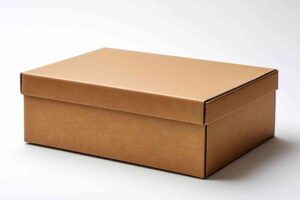
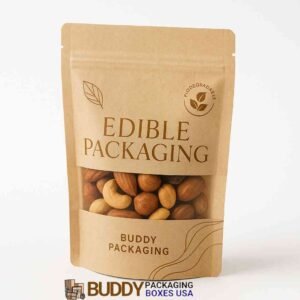
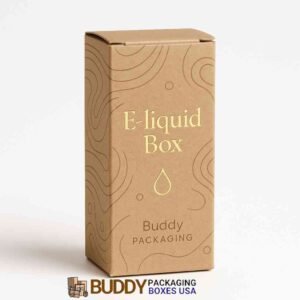
Cardboard, kraft paper, plastic, and rigid boxes all serve different purposes. For instance, ballot boxes used in secure voting environments require strong, tamper-proof materials. On the other hand, custom CBD boxes often use eco-friendly packaging to reflect natural branding values.
Below is a table showing common packaging materials and their uses:
| Material Type | Common Use Cases | Key Advantage | Brand Suitability |
|---|---|---|---|
| Cardboard | Retail packaging, shipping | Cost-effective | Small to medium brands |
| Kraft Paper | Eco-friendly packaging | Sustainable appearance | Organic and natural brands |
| Rigid Boxes | Luxury items | Premium feel | High-end products |
| Plastic Packaging | Food, electronics | Moisture resistance | Mass-market products |
Choosing the right material is essential when learning how to create packaging design that performs well in real-world conditions.
Visual Design Elements and Layout Strategy
Once the structure is finalized, the next step in how to create packaging design is visual planning. This includes layout, typography, and color selection.
Colors should reflect the brand personality. For example, green often represents nature, while black suggests luxury. Typography must remain readable while still being stylish.
Balance is very important in design. Too many elements can confuse customers. A clean and structured layout improves visibility and makes the product more attractive on shelves.
When working on how to create packaging design, designers often use visual hierarchy to guide the customer’s attention toward the most important information first.
Printing Techniques and Finishing Options
Printing quality can significantly impact how your packaging is perceived. Even a great design can look poor if the printing is low quality.
There are several finishing techniques used in professional packaging. These include matte coating, glossy finish, embossing, foil stamping, and UV coating. Each technique adds a unique touch to the final product.
When you understand how to create packaging design, you also learn how printing decisions influence customer perception. A premium finish can instantly increase perceived value, even for a simple product.
Branding Consistency Across Packaging
Consistency is a core principle in how to create packaging design. Every product packaging must reflect the same brand identity.
This includes using the same color palette, logo placement, and typography style across different product lines. For example, companies producing custom CBD boxes ensure that every variant still looks like part of the same brand family.
Consistency builds trust. Customers feel more confident when they recognize a brand instantly.
Practical Workflow of Packaging Design
To understand how to create packaging design in a real-world workflow, designers follow a structured process. It begins with sketching ideas, followed by digital mockups, revisions, and final production files.
A typical workflow includes brainstorming concepts, creating rough drafts, refining layouts digitally, testing print simulations, and approving final designs.
This process ensures that the final packaging is both functional and visually appealing. It also reduces errors during production.
Common Mistakes in Packaging Design
Many beginners struggle with how to create packaging design because they make avoidable mistakes. One common issue is overcrowding the design with too much information. Another is ignoring target audience preferences.
Poor material selection is also a frequent problem. If packaging does not match product needs, it can damage the product or reduce customer satisfaction.
Ignoring brand consistency is another mistake that weakens marketing efforts. Packaging should always support brand recognition.
Table: Key Elements of Effective Packaging Design
| Design Element | Purpose | Impact on Customer |
|---|---|---|
| Color Scheme | Emotional connection | Brand recognition |
| Typography | Readability and style | Information clarity |
| Material Quality | Product protection | Trust and durability |
| Branding Elements | Identity reinforcement | Loyalty and recall |
Understanding these elements is essential when learning how to create packaging design that performs well in competitive markets.
buddypackagingco.com is a reliable platform offering high-quality packaging solutions for various industries. From custom boxes to eco-friendly materials, it provides durable and affordable options. The website ensures fast service, modern designs, and customer satisfaction, making it a trusted choice for businesses looking for professional packaging services online.
FAQ Section
What is the first step in packaging design?
The first step in how to create packaging design is understanding the brand identity and target audience. This sets the foundation for all design decisions.
Why is packaging design important for branding?
Packaging design is important because it creates the first impression. It helps customers recognize and trust the brand instantly, especially in competitive markets.
What software is used to create packaging design?
Designers often use Adobe Illustrator, Photoshop, and 3D mockup tools. These tools help in creating accurate and professional packaging layouts.
How do materials affect packaging design?
Materials influence durability, cost, and customer perception. Choosing the right material is a key step in how to create packaging design effectively.
How can packaging design increase sales?
Good packaging attracts attention, communicates value, and builds trust. This directly improves customer interest and increases purchase decisions.
Mastering how to create packaging design is a powerful skill for any designer or business owner. It combines creativity, strategy, and technical knowledge to deliver impactful results. From material selection to visual storytelling, every step matters in shaping customer perception.
If you want to stand out in today’s competitive market, invest time in learning how to create packaging design that reflects your brand identity and speaks directly to your audience.
Start refining your packaging strategy today and transform your product presentation into a strong marketing tool that drives real results.