Modern packaging has evolved dramatically in recent decades. Businesses now need packaging that is efficient, hygienic, and cost-effective. One technology that meets these demands is the sachet packaging machine. From ketchup packets to shampoo samples, sachet packaging machines power many of the small, single-use packages we see daily.
If you have ever opened a small packet of coffee, sugar, medicine, or sauce, chances are it was produced by a sachet packaging machine. These machines are widely used in industries such as food, pharmaceuticals, cosmetics, and chemicals.
This guide explains what sachet packaging machines are, how they work, their types, benefits, and why businesses rely on them. By the end, you will understand how this technology supports modern packaging efficiency.
Understanding What Sachet Packaging Machines Are
A sachet packaging machine is an automated device designed to fill and seal small packets, known as sachets, with liquid, powder, or granular products. These machines are engineered to produce compact packaging that protects the product while ensuring convenience for consumers.
Sachet packaging is extremely popular because it allows companies to distribute small product portions at a low cost. This format is common for items such as instant coffee, condiments, sugar, shampoo, and pharmaceutical powders. The machine performs several tasks simultaneously, including forming the sachet, filling it with product, sealing the packet, and cutting it into individual units.
Manufacturers rely on sachet packaging machines because they increase speed and accuracy. Instead of manual packaging, these machines can produce thousands of sachets per hour with minimal waste. This automation improves production efficiency while maintaining strict hygiene standards.
In addition, sachet packaging supports flexible marketing strategies. Brands often use small sachets for promotional samples or travel-size products. This approach helps companies reach new customers without requiring large packaging investments.
How Sachet Packaging Machines Work
Sachet packaging machines operate through a synchronized mechanical process that combines forming, filling, sealing, and cutting. The system begins with a roll of packaging film, usually made from laminated plastic or foil. The film moves through the machine where it is shaped into small pouch forms.
Once the sachet shape is created, the machine dispenses the product inside. Depending on the machine design, the filling system can handle liquids, powders, or granules. The filling process is carefully controlled to ensure consistent quantity in every sachet.
After filling, the machine seals the sachet using heat or pressure. This sealing step ensures that the product remains protected from air, moisture, and contamination. Finally, the machine cuts the sachets into individual packets and prepares them for packaging or distribution.
The entire process occurs within seconds. Modern sachet packaging machines use digital control systems to maintain accuracy and consistency. These systems also allow operators to adjust filling quantities, sealing temperatures, and production speeds easily.
Types of Sachet Packaging Machines
Different industries require different packaging solutions. As a result, sachet packaging machines are available in several configurations. Each type is designed to handle specific product forms and production requirements.
Vertical Sachet Packaging Machines
Vertical sachet packaging machines are among the most common models used in manufacturing. These machines form the sachet vertically, fill the product from the top, and seal it from both sides. The vertical configuration makes them ideal for powders, granules, and liquids.
Many food companies rely on vertical machines for products such as sugar, coffee, sauces, and spices. The design allows for high production speeds while maintaining accurate filling levels. Because the machine operates vertically, it also saves floor space in manufacturing facilities.
Another advantage of vertical machines is their flexibility. They can be adjusted to produce sachets of different sizes without requiring major mechanical changes. This feature makes them suitable for companies that produce multiple product variations.
Horizontal Sachet Packaging Machines
Horizontal sachet packaging machines work differently from vertical models. Instead of forming the sachet vertically, the packaging film moves horizontally through the system. This configuration is often used for thicker liquids, gels, and creams.
Cosmetic companies frequently use horizontal sachet packaging machines to package products like lotions, shampoos, and skincare samples. The horizontal layout allows better control of viscous materials that require careful filling.
These machines are also popular in pharmaceutical industries. Medical products often require precise dosage control and contamination prevention. Horizontal machines help maintain these standards through accurate sealing and filling systems.
Key Industries Using Sachet Packaging Machines
Sachet packaging machines play a critical role across many industries. Their ability to produce small, convenient packages makes them valuable for companies seeking cost-effective packaging solutions.
Food and Beverage Industry
The food sector is one of the largest users of sachet packaging machines. Products such as ketchup, mustard, mayonnaise, sugar, salt, coffee, and spices are commonly packaged in sachets. Restaurants, airlines, and hotels rely on these packets for convenient portion control.
Packaging manufacturers also supply custom food packaging solutions to support this demand. For example, businesses offering takeaway food often use specialized containers such as chinese food boxes, which complement single-serve condiment sachets. You can learn more about these packaging options through this resource on chinese food boxes:
Pharmaceutical Industry
The pharmaceutical industry requires precise packaging to ensure safe and accurate medication delivery. Sachet packaging machines are commonly used for powdered medicines, oral rehydration salts, and dietary supplements.
These machines ensure each sachet contains the exact dosage required for medical use. In addition, sealed sachets protect medicines from moisture and contamination, which is essential for maintaining product effectiveness.
Cosmetic and Personal Care Industry
Cosmetic brands frequently use sachet packaging machines to distribute trial products and travel-size packaging. Shampoos, lotions, facial creams, and hair treatments are often packaged in sachets for promotional purposes.
These small packets help brands introduce new products to customers without requiring full-size purchases. As a result, sachet packaging has become a powerful marketing tool in the beauty industry.
Chemical and Specialty Product Industry
Some chemical products also rely on sachet packaging for controlled usage. Cleaning agents, detergents, and agricultural chemicals may be packaged in sachets to simplify handling and reduce waste.
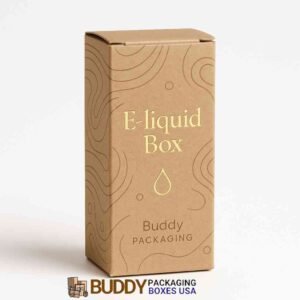
Specialized packaging services also support emerging industries. For instance, modern product segments such as concentrate packaging use similar packaging technologies to protect sensitive formulations during storage and transportation. More information about this packaging category can be found here:
Benefits of Using Sachet Packaging Machines
Sachet packaging machines offer several advantages that make them attractive to manufacturers. One major benefit is cost efficiency. Small sachets require less packaging material compared to larger containers, which reduces production expenses.
Another advantage is convenience. Consumers appreciate single-use packaging because it is easy to carry, store, and dispose of. This convenience is especially important in industries such as travel, hospitality, and food service.
Automation also improves production speed. Modern sachet packaging machines can produce thousands of sachets every hour while maintaining precise filling accuracy. This efficiency allows businesses to meet high demand without sacrificing quality.
Hygiene is another critical benefit. Automated packaging reduces direct human contact with products, which helps maintain strict cleanliness standards. This feature is particularly important in food and pharmaceutical manufacturing.
Finally, sachet packaging supports flexible branding strategies. Companies can easily print logos, product details, and promotional messages directly on the sachet film. This approach turns packaging into an effective marketing tool.
Factors to Consider When Choosing a Sachet Packaging Machine
Selecting the right sachet packaging machine depends on several factors. Businesses must evaluate the type of product they intend to package, the required production speed, and the available factory space.
Product consistency is one of the most important considerations. Liquids, powders, and granules require different filling systems. Choosing the correct machine ensures accurate filling and prevents product waste.
Production capacity also plays a major role. Small businesses may only need moderate output, while large manufacturers require high-speed machines capable of producing thousands of sachets per hour.
Packaging material compatibility is another key factor. Some machines work best with plastic laminates, while others support foil or biodegradable films. Companies must select materials that protect their products while meeting environmental standards.
The Future of Sachet Packaging Technology
The packaging industry continues to evolve as companies seek more sustainable and efficient solutions. Sachet packaging machines are also advancing with new technologies that improve performance and reduce environmental impact.
Modern machines now include smart sensors and digital monitoring systems. These features allow operators to track production data, detect errors, and maintain consistent quality. Automation software can also optimize production speeds while minimizing material waste.
Sustainability is another major focus. Many manufacturers are developing machines that support recyclable or biodegradable packaging films. This innovation helps companies meet growing consumer demand for eco-friendly packaging.
As global markets continue to expand, sachet packaging will remain an essential solution for delivering small product portions efficiently. Businesses that adopt advanced packaging technologies will gain a competitive advantage in both production efficiency and customer satisfaction.
Frequently Asked Questions About Sachet Packaging Machines
What products can be packaged using sachet packaging machines?
Sachet packaging machines can package a wide range of products, including powders, liquids, granules, gels, and creams. Common examples include coffee, sugar, sauces, shampoo, and pharmaceutical powders.
How fast can a sachet packaging machine operate?
The speed varies depending on the machine type and product. However, many industrial machines can produce between 30 and 200 sachets per minute.
Are sachet packaging machines suitable for small businesses?
Yes. Many manufacturers offer compact sachet packaging machines designed for small and medium businesses. These machines provide automation without requiring large production facilities.
What materials are used for sachet packaging?
Sachet packaging commonly uses laminated plastic films, aluminum foil layers, or biodegradable materials. These materials protect the product from moisture, air, and contamination.
Why are sachets popular in the food industry?
Sachets offer convenient portion control, reduced packaging costs, and easy distribution. Restaurants and food manufacturers prefer sachets for condiments and seasoning products.
Understanding what sachet packaging machines are helps businesses appreciate their importance in modern manufacturing. These machines automate the process of forming, filling, sealing, and cutting small packets for a wide range of products.
From food condiments to pharmaceutical powders and cosmetic samples, sachet packaging machines provide efficiency, hygiene, and cost savings. Their versatility allows companies to deliver convenient single-serve products while maintaining consistent quality.